
Malaysia’s Quest to Become a Global STEM Hub
How STEM Education Shapes Malaysia’s Workforce
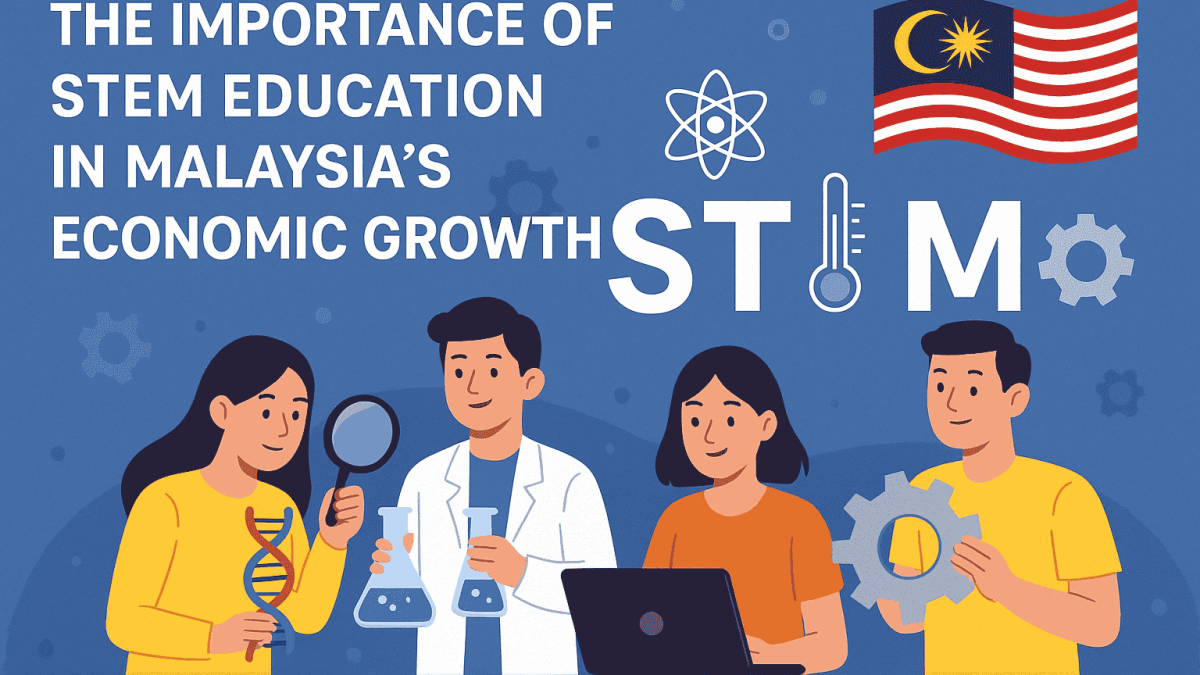
In the fast-evolving global economy, the demand for a skilled workforce trained in science, technology, engineering, and mathematics (STEM) is at an all-time high. For Malaysia, the integration of STEM education into its national curriculum is not merely an educational imperative but a strategic pathway toward sustainable economic growth. As the nation continues to diversify its economy and shift towards high-value sectors, nurturing a robust talent pool in STEM fields becomes crucial for maintaining competitiveness on the global stage.
The Current Landscape of STEM Education in Malaysia
Malaysia has recognized the importance of STEM education and initiated various reforms aimed at bolstering the sector. The Malaysian government has invested heavily in STEM programs, establishing policies that promote technical institutions and emphasizing STEM in primary and secondary curricula. Despite these efforts, challenges remain, such as inadequate resources, a lack of qualified teachers, and limited public awareness about the significance of STEM careers.
Bridging the Skills Gap
A key issue facing the Malaysian economy is the skills gap in the workforce, particularly in technology and engineering fields. According to various reports, there is a pressing need for graduates with in-depth knowledge in these areas to support the burgeoning tech industry and various sectors reliant on technological advancements.
By enhancing STEM education, Malaysia can cultivate a workforce equipped with critical thinking, problem-solving skills, and the technological competency necessary for success in a rapidly changing job market. This not only addresses the immediate skills gap but also future-proofs the economy against evolving industry needs.
Contributions to Innovation and Economic Diversification
A strong emphasis on STEM education allows for advancements in research and innovation, which are essential for economic diversification. Malaysia aims to transition from a resource-based economy to a knowledge-based one. This transformation hinges on innovations that often stem from a solid foundation in STEM.
For instance, the rise of biotechnology, renewable energy, and information and communications technology (ICT) sectors in Malaysia demonstrate the direct impact of a STEM-driven workforce. Companies and startups rooted in scientific research and technological innovation are developing solutions that can enhance productivity across existing industries while creating entirely new economic sectors.
Collaboration Between Government, Educational Institutions, and Industry
To fulfill its potential, STEM education in Malaysia requires cooperation between the government, educational institutions, and the private sector. Programs that connect students with industry can provide practical experience, making education more relevant to market needs. Internship programs, workshops, and collaborative projects can enhance the learning experience while ensuring that students graduate with skills that employers demand.
Additionally, STEM education initiatives should aim to engage underrepresented groups, particularly women and rural populations. Enhancing accessibility and promoting diversity in STEM fields can further expand the talent pool and foster inclusive growth.
Preparing Future Leaders
In an era defined by technological advancements and rapid globalization, preparing future leaders requires an emphasis on critical thinking, creativity, and resilience—skills honed through effective STEM education. Students equipped with a strong STEM background are more likely to become innovators and entrepreneurs, driving economic growth through the creation of jobs and new technologies.
By focusing on holistic education that promotes leadership skills alongside technical knowledge, Malaysia can nurture a generation capable of addressing complex global challenges, such as climate change and economic inequality.
As Malaysia continues to forge its path in the global economy, the importance of STEM education cannot be overstated. The nation stands on the brink of transformation, with the potential to emerge as a leader in innovation and technology. By investing in effective STEM education, Malaysia can unlock the potential of its youth, bridge the skills gap, and drive sustainable economic growth.
Through collaborative efforts among government, educational institutions, and industry, Malaysia can ensure that its workforce is not only equipped for the challenges of today but also positioned to lead in the innovations of tomorrow. In doing so, the country will harness the full potential of its human resources, securing a prosperous future on the global stage.
STEM isn’t just about subjects—it’s about shaping future leaders and problem-solvers. At ThED, we equip students with hands-on skills and real-world thinking to thrive in tomorrow’s workforce. Visit our ThED STEM Programme to see how your child can get started today.