
Bridging the Gap: How Inclusive STEM Programs Empower Underrepresented Communities
The Future is Female: Encouraging Girls to Pursue STEM Careers
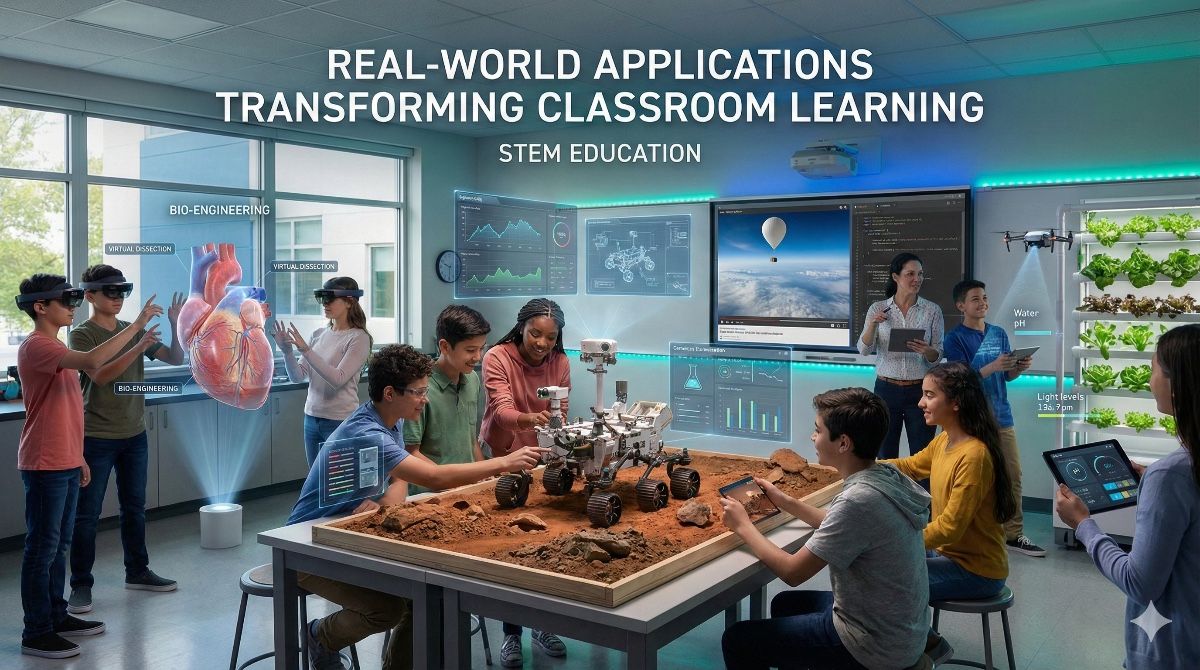
In an age where technology and innovation shape nearly every aspect of our lives, the integration of STEM (Science, Technology, Engineering, and Mathematics) into classroom learning has become essential. Gone are the days of learning in isolation from real-world applications. Today, educators are emphasizing the importance of bridging the gap between theoretical knowledge and practical application, thus transforming the way students engage, learn, and prepare for their future careers.
The Importance of STEM Education
STEM education revolves around teaching students to apply mathematical and scientific concepts to solve real-world problems. This approach encourages critical thinking, creativity, and collaboration among students. Schools that integrate STEM curricula not only enhance students’ problem-solving abilities but also motivate them to pursue careers in high-demand fields. As technology evolves, society needs innovators capable of shaping their environments and addressing global challenges.
Real-World Applications in the Classroom
1. Project-Based Learning
Project-Based Learning (PBL) is a dynamic classroom approach where students actively explore real-world problems and challenges. For example, students might work on a project to design a sustainable garden. In doing so, they explore concepts of biology (plant life cycles), technology (designing an irrigation system), and engineering (building garden beds). This hands-on method fosters engagement and enables students to see the direct application of their learning in practical scenarios.
2. Integration of Technology
Today’s classrooms often utilize technology to enhance learning experiences. Technologies like robotics kits, coding platforms, and simulation software allow students to experiment and innovate. For instance, students learning programming languages can develop simple video games or applications, honing their coding skills while fostering critical thinking and creativity. Such technology integration not only makes learning fun but prepares students for an increasingly digital workforce.
3. Collaborative Learning Environments
STEM promotes collaboration through group projects and lab experiments. Students learn to work as part of a team, fostering interpersonal skills essential in today’s workforce. Activities like building a bridge out of spaghetti or creating a scientific experiment to test water quality encourage communication, compromise, and teamwork. These experiences mirror those students will encounter in their future careers while making learning a collective endeavor.
4. Field Trips and Community Involvement
Taking learning outside the classroom can provide students with hands-on experiences that deepen their understanding of STEM concepts. Field trips to science centers, engineering firms, or nature reserves can expose students to how professionals apply STEM in real settings. Additionally, community partnerships can enrich the learning experience; for example, local engineers may mentor students in developing community improvement projects.
Benefits of STEM Education
Integrating STEM into classroom learning has multifaceted benefits. First and foremost, it prepares students for the future job market, where many high-paying jobs require skills in these areas. Furthermore, STEM education fosters a growth mindset by encouraging students to take risks, learn from their mistakes, and persist in challenging situations. With increased interest in STEM fields, students develop confidence and resilience, attributes that are essential in both academic and professional settings.
Examples of Schools Excelling in STEM Education
Many educational institutions are leading the charge in effectively implementing STEM curricula. Schools like the High Tech High in California focus on project-based learning, ensuring that their students engage with the real-world implications of their studies. Likewise, the STEAM Academy in Texas incorporates the arts into STEM, acknowledging that creativity drives innovation.
Moreover, programs like FIRST Robotics allow students to build robots for competitions, bringing engineering and technology to life. Such initiatives not only engage students in STEM but also foster excitement and enthusiasm for learning.
Challenges in Implementing STEM Education
While the benefits of STEM education are clear, challenges persist. Teacher training is crucial; educators must be equipped to teach interdisciplinary subjects effectively. Additionally, funding for STEM resources and technology can be a barrier, particularly in underprivileged schools. Overcoming these obstacles will require a concerted effort from educational leaders, policymakers, and communities to invest in quality STEM education for all students.
The Future of STEM Education
The landscape of education is changing rapidly, and as we look towards the future, STEM will undoubtedly play a pivotal role in shaping that trajectory. Emerging technologies such as artificial intelligence, machine learning, and biotechnology will continue to evolve, demanding a workforce that is adept in these areas. By weaving STEM education into the fabric of learning today, we prepare students not just for careers, but for a future where they can thrive as innovators and leaders.
FAQs
What is STEM education?
STEM education stands for Science, Technology, Engineering, and Mathematics. It emphasizes hands-on, real-world problem-solving and aims to prepare students for careers in these fields.
Why is STEM important?
STEM education is crucial because it fosters critical thinking, creativity, and collaboration. It prepares students for future jobs in a technology-driven world and helps them develop skills necessary for solving complex global challenges.
How can teachers implement STEM in the classroom?
Teachers can implement STEM through project-based learning, integrating technology, fostering collaboration, and providing hands-on learning experiences, such as field trips and community projects.
What are some real-world applications of STEM?
Real-world applications of STEM can include designing sustainable solutions, developing technology (like coding), conducting scientific research, and engaging in engineering tasks, all connected to practical problems and challenges.
What challenges exist in STEM education?
Challenges in STEM education include a lack of funding, insufficient teacher training, and the need to develop interdisciplinary curricula that effectively integrate the various components of STEM learning.