
Bridging the Gap: The Importance of AI Literacy in STEM Education
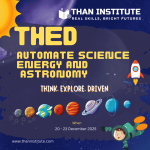
Transforming Science, Energy, and Astronomy through Innovation
In recent years, the intersection of Education, Technology, and Sustainability has gained unprecedented attention, especially through the lens of STEM (Science, Technology, Engineering, and Mathematics) education. As global challenges intensify, innovators and thinkers recognize the critical role STEM education plays in creating viable solutions to meet the Sustainable Development Goals (SDGs) established by the United Nations. Achieving these 17 interconnected goals is essential for ensuring a sustainable future for all, and effectively harnessing STEM can significantly contribute to this vision.
Understanding the Sustainable Development Goals
The 2030 Agenda for Sustainable Development, adopted by all United Nations Member States in 2015, outlines 17 SDGs which serve as a blueprint for peace and prosperity for people and the planet. Some of the most pressing goals include eradicating poverty, combating climate change, ensuring inclusive quality education, and fostering economic growth. These goals call for integrated approaches, demanding participation from all sectors, including education, technology, business, and government.
The Role of STEM Education in Achieving SDGs
STEM education equips learners with critical thinking, problem-solving, and analytical skills essential for addressing complex societal issues. It promotes innovation and encourages students to leverage scientific principles to develop sustainable solutions. Here are several ways STEM education contributes to achieving the SDGs:
1. Quality Education (Goal 4)
Access to quality education is fundamental to achieving all other goals. By enhancing STEM education, we can ensure that students develop the skills needed to thrive in an increasingly technological world. Programs focusing on hands-on, experiential learning create more engaging educational environments that promote higher retention and interest among students.
2. Industry, Innovation, and Infrastructure (Goal 9)
STEM professionals are crucial for developing sustainable infrastructure and fostering innovation. Colleges and universities are increasingly partnering with industries to prepare students for real-world challenges. This collaboration ensures that education remains relevant, addresses community needs, and spurs local economic growth.
3. Sustainable Cities and Communities (Goal 11)
Urbanization has brought about significant challenges, including overpopulation and environmental degradation. STEM education encourages students to think critically about sustainable urban planning, resource management, and mitigating climate change effects. Enhanced learning about these topics can lead to more resilient cities and communities designed for sustainability.
4. Climate Action (Goal 13)
Climate change is one of the most pressing global challenges. A robust education in environmental science and policy equips the next generation with the knowledge necessary to address climate-related issues. STEM curricula can incorporate renewable energy technologies, climate adaptation strategies, and sustainability practices, empowering students to become champions of climate action.
5. Partnerships for the Goals (Goal 17)
Achieving the SDGs requires partnership across various sectors. STEM education fosters collaboration among students, educators, and industries, resulting in joint initiatives that drive innovation and community engagement. By bridging professionals with diverse expertise, STEM education encourages cohesive efforts towards sustainable development.
Challenges and Opportunities
Despite the promising potential of STEM education in fostering sustainable development, challenges remain. There are significant gaps in access to quality STEM education, particularly in low-income communities and developing countries. Additionally, a lack of resources, trained educators, and curriculum alignment hinders progress.
However, the expansion of online learning platforms has provided new opportunities for students and educators alike. Innovative programs that leverage technology can offer remote access to quality education and training. Initiatives promoting interdisciplinary learning also encourage a holistic approach to problem-solving, thus equipping students better to tackle the multifaceted nature of sustainable development.
Case Studies: Successful STEM Education Initiatives
Around the globe, several noteworthy STEM education initiatives demonstrate the positive impact of integrating these subjects with sustainability goals:
- FIRST Robotics: This program engages students in hands-on robotics competitions, fostering teamwork and problem-solving skills while promoting interest in engineering careers.
- Project Lead the Way: A nonprofit organization that provides transformative learning experiences in STEM subjects, encouraging students to develop critical skills through project-based learning.
- Code.org: This initiative aims to expand access to computer science education, especially among underrepresented communities, emphasizing the importance of coding in our technology-driven world.
Conclusion
Bridging the gap between STEM education and Sustainable Development Goals is imperative for achieving a sustainable future. With the right investments and innovative approaches, we can cultivate a generation equipped to solve the pressing challenges facing our world today. As we progress toward 2030, it is essential to prioritize quality STEM education and ensure it remains accessible to everyone, regardless of their background.
Frequently Asked Questions
1. Why is STEM education important for sustainable development?
STEM education is crucial because it equips students with the necessary skills to solve complex, interdisciplinary problems related to sustainable development, such as climate change, health care, and urban planning.
2. How can we improve access to STEM education?
Improving access requires investments in infrastructure, teacher training, and the development of engaging curriculum materials. Online learning platforms can also help bridge gaps in underserved areas.
3. What role do businesses play in promoting STEM education?
Businesses can collaborate with educational institutions by providing resources, mentorship, internships, and real-world projects that align with industry needs, thus enhancing the education-to-employment pipeline.
4. How can parents support STEM education for their children?
Parents can encourage curiosity, facilitate STEM-related activities at home, support their children’s interests in these subjects, and engage in discussions about real-world applications of STEM concepts.
5. What are some examples of successful STEM initiatives?
Initiatives like FIRST Robotics, Project Lead the Way, and Code.org have successfully engaged students in STEM learning, fostering skills necessary for future careers and informed citizenship.