Building a Skilled Workforce: The Role of HRDC Training in Malaysia’s Economy
HRDC Training Courses: A Pathway to Professional Excellence in Malaysia
Innovative Learning: Exploring the HRDC Training Course Curriculum in Malaysia
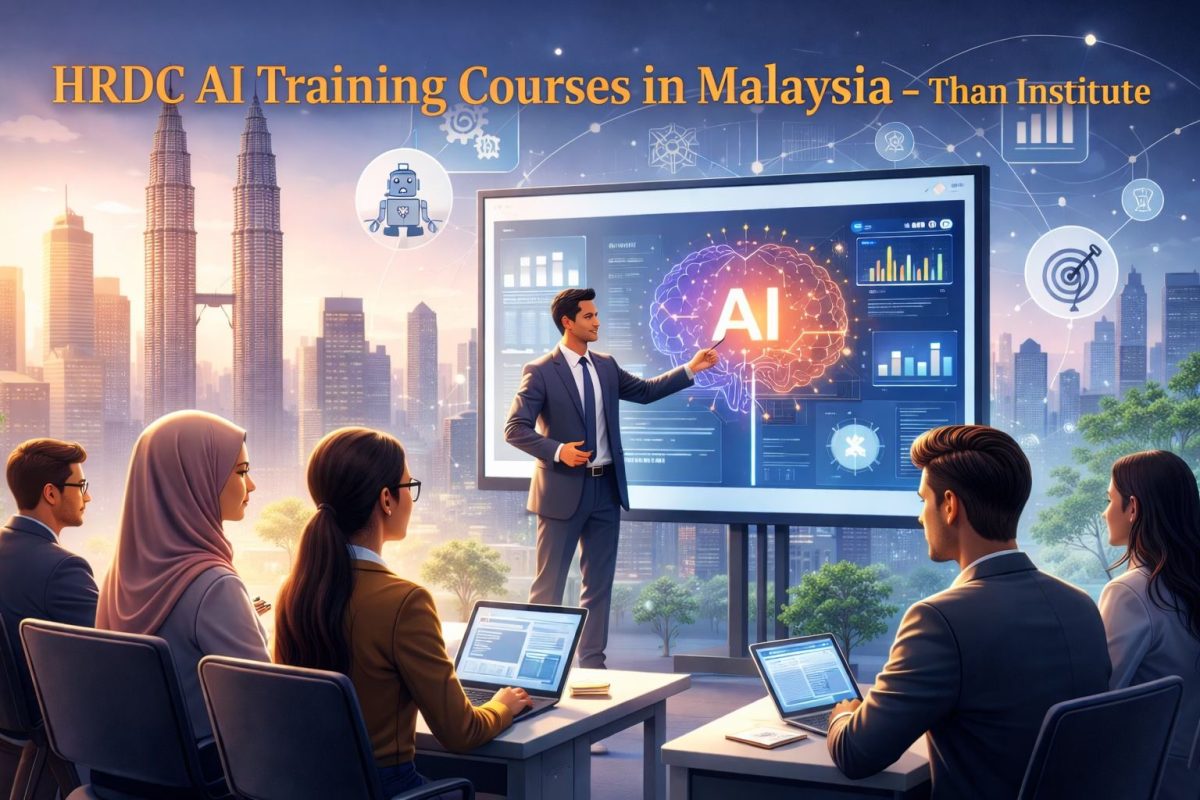
In recent years, the Human Resource Development Corporation (HRDC) in Malaysia has taken significant steps to enhance workforce competency through innovative learning methodologies. HRDC’s training course curriculum aims to equip professionals with the skills required to thrive in an ever-evolving job market. This article delves into the curriculum structure and highlights the transformative learning approaches employed in these training programs.
The Aim of HRDC Training Courses
HRDC’s primary objective is to foster an agile workforce capable of adapting to rapid technological changes. The courses are designed not only to enhance technical skills but also to promote soft skills, thereby ensuring holistic development. With an emphasis on lifelong learning, HRDC encourages employees to pursue continuous personal and professional growth.
Curriculum Structure
The HRDC training curriculum comprises a variety of modules tailored to various industry needs. The curriculum is broadly divided into three categories:
- Core Skills Development: This includes essential skills such as communication, leadership, and problem-solving. These courses focus on building a strong foundation that is crucial for any professional.
- Technical Skills Enhancement: Depending on the industry, this module provides advanced training in specific technical areas like IT, engineering, healthcare, and finance. It incorporates the latest trends and tools to ensure participants are industry-ready.
- Soft Skills and Personal Development: Recognizing the essential role of interpersonal skills in today’s workplace, this section emphasizes emotional intelligence, team collaboration, and adaptability.
Innovative Learning Approaches
HRDC adopts several innovative learning techniques to enhance engagement and retention among participants. These methodologies include:
- Blended Learning: A combination of online and in-person training sessions offers flexibility and caters to different learning preferences. This approach allows learners to access resources at their convenience while still benefiting from face-to-face interactions.
- Experiential Learning: Real-world scenarios, case studies, and hands-on projects are integral to the training process. This method helps learners to apply theoretical knowledge in a practical context.
- Peer Learning: Group activities and collaborative projects are encouraged to promote knowledge sharing among participants. This also builds a supportive network that can be beneficial in their professional journey.
Industry-Relevant Certifications
Upon successful completion of the courses, participants are awarded certifications that are recognized across various industries in Malaysia. These certifications not only validate the skills acquired but also enhance the employability of the individuals.
Feedback and Evaluation
Continuous feedback is an important aspect of the HRDC training courses. Participants are often encouraged to share their insights and experiences, which are then utilized to improve the curriculum further. This iterative process ensures that the training remains relevant and effective.
Future Prospects
The HRDC is committed to continuous innovation and improvement in its training programs. As market demands evolve, the curriculum is expected to integrate new technologies such as artificial intelligence and machine learning to prepare the workforce for the future. Emphasizing adaptive learning will help ensure that Malaysian professionals remain competitive globally.
Concluding Thoughts
With a clear vision of enhancing workforce competency, the HRDC training course curriculum in Malaysia emerges as a significant player in the realm of professional development. By embracing innovative learning methodologies, the HRDC aims to empower individuals and organizations alike, fostering a culture of continuous improvement and adaptability.
Frequently Asked Questions
1. What is the duration of the HRDC training courses?
The duration varies based on the specific course but typically ranges from one day to several weeks. Each program is designed to maximize learning within a feasible timeframe for participants.
2. Are the HRDC courses accredited?
Yes, most HRDC training courses are accredited and recognized by various industries in Malaysia, ensuring that the skills learned are valid and applicable.
3. How can I register for an HRDC course?
You can register for courses directly through the official HRDC website or through accredited training providers. For more information, please visit here HRDC Training Information.
4. Is online learning available?
Yes, HRDC offers a range of online training options as part of its blended learning approach. This allows participants to learn at their own pace while also attending live sessions.
5. Can employers sponsor their employees for HRDC courses?
Absolutely! Many employers take advantage of HRDC’s funding options to sponsor their employees, thus investing in their development and enhancing their organizational skills.