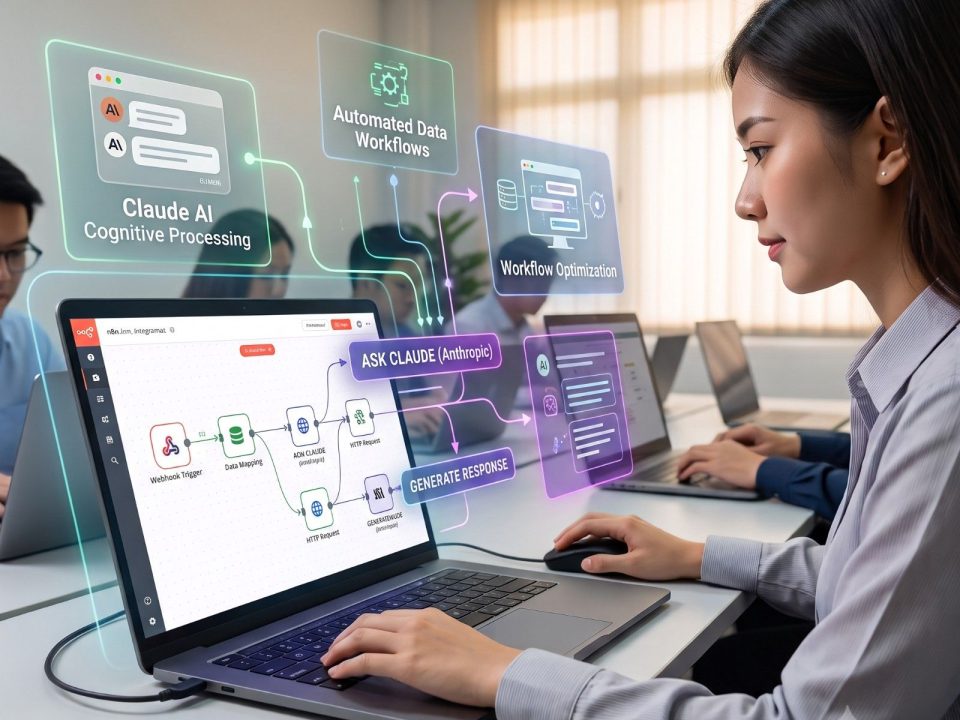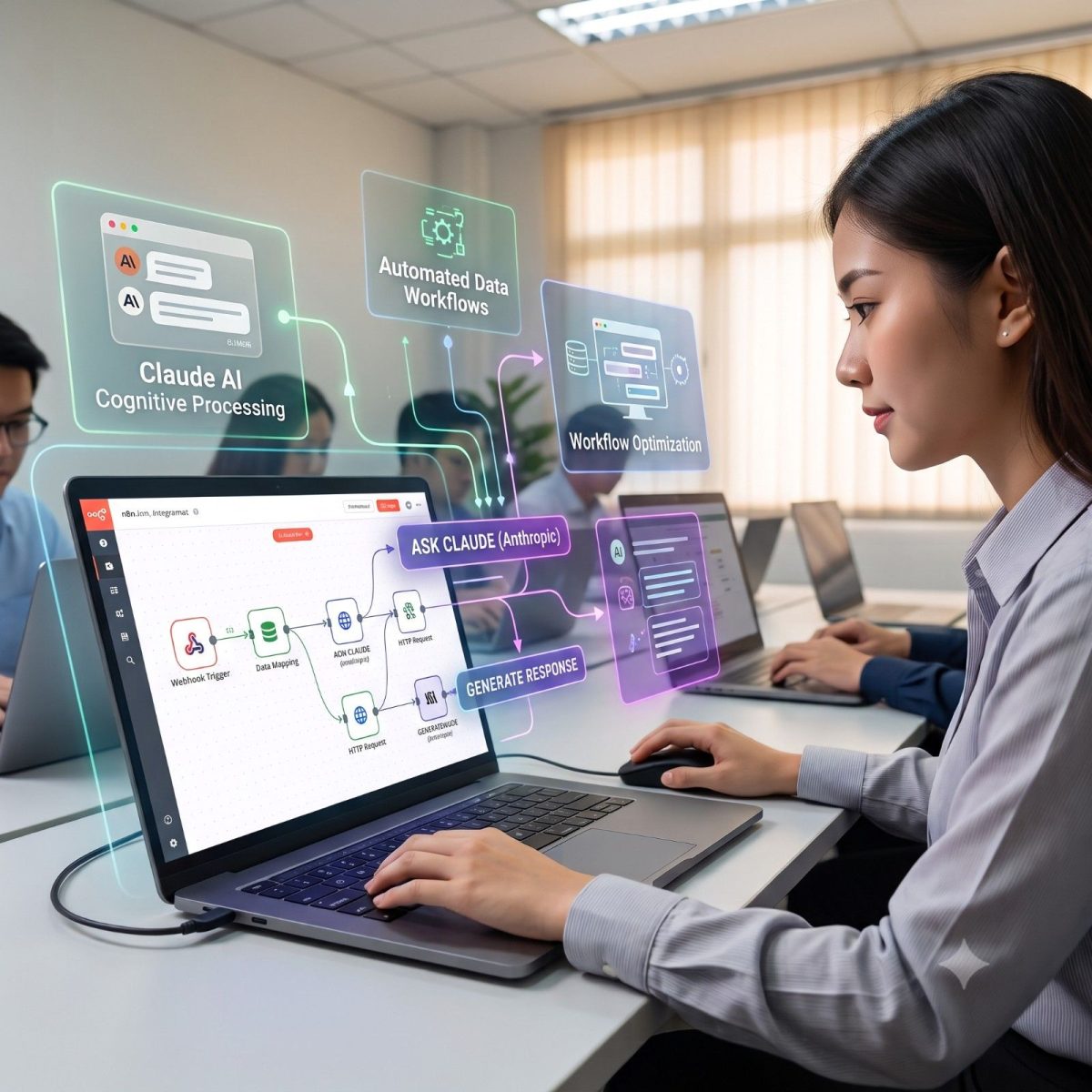
AI Mastery Course: Elevate Your Skills
AI Mastery Course: Unlock Your Potential
Introduction Definition
In recent years, the remote work environment has transitioned from a niche lifestyle to a standard operational model for many organizations. Defined as a flexible work arrangement allowing employees to perform their jobs from locations outside of a traditional office setting, remote work offers various benefits and challenges. It has emerged as a powerful solution for enhancing work-life balance, increasing productivity, and accommodating diverse workforce needs. This transformation is particularly relevant in today’s digital age, as technology continually reshapes how we conduct business.
The benefits of remote work environments are vast, including reduced overhead costs for businesses, greater job satisfaction among employees, and improved accessibility for job seekers across geographical boundaries. This shift is especially significant as companies strive to attract top talents who increasingly prioritize flexibility in their work arrangements. Understanding the dynamics of remote work can empower organizations to leverage this model effectively.
Table of Contents
- Benefits of Remote Work
- Challenges of Remote Work
- Best Practices for Remote Work Management
- Tools for Remote Work Communication
- Conclusion
- FAQ
1. Benefits of Remote Work
The move to remote work brings a myriad of advantages that enhance the overall experience for both employers and employees. Flexibility stands as one of the most significant benefits, allowing employees to tailor their work schedules to fit personal needs. This flexibility leads to improved work-life balance, reducing stress and increasing employee satisfaction. Moreover, companies can cut costs related to office space and utilities, enabling them to allocate resources elsewhere, such as employee development programs or technological advancements.
Furthermore, organizations that foster remote work environments can tap into wider talent pools. They are no longer constrained by geographic limitations, meaning they can recruit the best candidates regardless of location. This enhancement in hiring capabilities can lead to more diverse teams, which research has shown to foster innovation and creativity.
Benefits of Remote Work:
- Improved work-life balance and reduced stress.
- Access to a global talent pool for recruitment.
- Significant cost savings on office space and utilities.
- Increased employee satisfaction and retention.
- Enhanced productivity through the elimination of commute times.
With these benefits in mind, businesses must also remain aware of the accompanying challenges, which can impact the effectiveness of remote work.
2. Challenges of Remote Work
While the advantages are compelling, transitioning to a remote work environment presents unique challenges. Communication barriers often arise when teams are no longer working under the same roof. Misunderstandings can proliferate without visual cues and direct feedback, leading to potential conflict or project delays. Additionally, feelings of isolation can affect morale and mental health, contributing to decreased motivation among employees.
Maintaining corporate culture can also be more challenging in remote setups. Organizations must actively seek ways to instill their values and foster a sense of community in a digital environment. Lastly, cybersecurity becomes a pressing concern when employees access sensitive company data from various locations. Companies need to implement robust security measures to safeguard their information, which can incur additional costs.
Challenges of Remote Work:
- Communication barriers leading to misunderstandings or delays.
- Feelings of isolation and reduced motivation among employees.
- Difficulty in maintaining organizational culture.
- Increased cybersecurity risks.
- Potential overwork and burnout due to blurred work-life boundaries.
Understanding these challenges equips organizations with the foresight necessary to mitigate risks associated with remote work.
3. Best Practices for Remote Work Management
For companies to capitalize on the benefits while minimizing the challenges, they must adopt effective management practices. First and foremost, clear communication is vital. Utilizing a combination of video calls, chat applications, and project management tools can facilitate transparent dialogue. Regular check-ins ensure employees feel supported and valued, fostering a sense of connection among team members.
Another best practice involves establishing structured workflows and protocols. Implementing consistent guidelines for submitting work and performance evaluations can help reinforce productivity. Encouraging work-life separation is also essential; organizations should promote flexible hours while also encouraging employees to take time away from work.
Furthermore, investing in employee development and training helps individuals hone their skills and remain engaged, enhancing overall team performance. Organizations that recognize and celebrate achievements, both big and small, instill a sense of accomplishment that is critical in remote settings.
Best Practices for Remote Work:
- Promote clear and consistent communication channels.
- Establish structured workflows and protocols.
- Encourage work-life separation while offering flexibility.
- Invest in employee development and training.
- Recognize and celebrate achievements regularly.
By adhering to these practices, organizations can create a productive and harmonious remote work culture.
4. Tools for Remote Work Communication
Leveraging the right tools for communication and collaboration is essential in a remote work environment. Several platforms have gained popularity for enhancing productivity:
| Tool Type | Tool Name | Purpose |
|---|---|---|
| Communication | Slack | Instant messaging and team collaboration. |
| Video Conferencing | Zoom | Conduct virtual meetings and presentations. |
| Project Management | Trello | Organizing tasks and tracking project progress. |
| File Sharing | Google Drive | Storing and collaborating on documents. |
| Time Management | Todoist | Managing personal and team tasks efficiently. |
These tools can streamline operations and foster a productive remote work environment. By integrating various technologies, organizations can enhance communication and collaboration while ensuring teams remain aligned with organizational goals.
5. Conclusion
The shift to a remote work environment presents a significant opportunity for companies to innovate and enhance their operations. While challenges exist, the benefits—such as improved work-life balance, access to a broader talent pool, and significant cost savings—illustrate the advantages of embracing this model. By implementing best practices and utilizing effective communication tools, organizations can create a thriving culture that empowers employees while maximizing productivity.
In this evolving landscape, companies that adapt quickly and effectively will stand to benefit the most in a competitive market, making it crucial to revisit and refine their strategies for remote work continuously.
6. FAQ
Q1: What is a remote work environment?
A remote work environment allows employees to perform their duties from locations outside of a traditional office, often leveraging technology to stay connected.
Q2: How can companies support remote workers?
Companies can support remote workers by ensuring clear communication, providing the right tools, and fostering a sense of community.
Q3: What are the drawbacks of remote work?
Drawbacks include communication barriers, feelings of isolation, difficulty maintaining company culture, and cybersecurity risks.
Q4: What practices can enhance remote work productivity?
Best practices include clear communication, structured workflows, encouraging flexibility, and investing in employee training.
Q5: What tools are essential for remote work?
Essential tools for remote work include communication platforms (Slack), video conferencing tools (Zoom), project management software (Trello), and cloud storage services (Google Drive).
Sources
- Wikipedia – Remote Work
- Forbes – The Benefits of Remote Work
- Harvard Business Review – Managing Remote Workers
For more of the Artificial Intelligence Mastery Course, please visit The AI Mastery Course.