
Where Kids Learn Real-World Skills Through Play
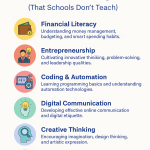
7 Future Skills for Kids in Malaysia
Where Kids Learn Real-World Skills Through Play
7 Future Skills for Kids in Malaysia
7 Powerful Reasons Why Interactive Learning Boosts Kids’ Success
Interactive learning is a way of teaching where learners take an active part in the lesson through activities, discussions, games and hands-on tasks, instead of only listening. It keeps learners engaged, helps them remember more and builds skills they can use in real life.
What Is Interactive Learning?
In today’s fast-paced, screen-filled world, it is harder than ever to keep young minds excited about learning. What if learning felt more like play and less like pressure? That is where interactive learning comes in: a dynamic, hands-on approach that turns students from passive listeners into active explorers.
Interactive learning is all about doing, not just watching. It blends technology, games, discussions, experiments and group activities to make lessons come alive. Instead of memorising facts, students learn through touch, talk, trial and teamwork. Think of building a bridge with spaghetti to understand engineering, or creating your own “money” to learn about economics. It is real-world, relatable and fun.

7 Reasons Why Interactive Learning Works
Interactive Learning vs Traditional Learning
Here is how this hands-on approach compares with a traditional, lecture-style lesson.
| Aspect | Traditional learning | Interactive learning |
|---|---|---|
| Learner role | Listens and takes notes | Takes part, asks, builds and tries |
| Teacher role | Presents information | Guides and facilitates |
| Feedback | Mostly at test time | During the activity itself |
| Pace | Same for everyone | Adjusts to the group |
| Skills built | Recall of facts | Thinking, teamwork and communication |
Interactive Learning Examples by Age
Hands-on learning looks a little different at every stage. Match the activity to the age group.
| Age group | Interactive learning examples |
|---|---|
| Preschool (3–6) | Action songs, sorting games and picture storytelling |
| Primary (7–12) | Science experiments, quiz games, mock markets and role-play |
| Teens (13–17) | Debates, design challenges, coding and robotics projects |
| Adults and teams | Simulations, case studies and hands-on workshops with real tools |
Easy ideas to try this week
- Create quiz-based games or scavenger hunts
- Use role-play to act out historical events or business scenarios
- Introduce storytelling, debates or design challenges
- Explore educational apps like Nearpod, Kahoot! and BookWidgets
- Turn a topic into a simple build challenge or experiment
- Ask learners to teach the idea back to a partner in their own words
Benefits of Interactive Learning for Teachers and Parents
Interactive Learning at Work: Not Just for Kids
Interactive learning works for adults too. Companies use hands-on workshops, simulations and practice with real tools to help teams pick up new skills faster and apply them on the job. For example, warehouse teams adopting new technology such as warehouse automation robots settle in faster when they practise with the real system.
Than Institute’s practical programmes apply the same learn-by-doing idea to working adults. Explore the ThED AI Program and the ThED Automate Program to see how your team can build AI and automation skills.
Bringing Economics to Life
At Than Institute, we have seen the results first-hand. In our ThEd Econs program, children learn economics not from textbooks but by running their own mock markets, designing currency and practising budgeting. With every activity, they gain a stronger understanding of how money works in the real world, all while having a great time.
Looking for more hands-on classes for your child? See our STEM enrichment class in Petaling Jaya.
How to Get Started in 4 Simple Steps
With a few small changes like these, any classroom, home or training room can become a livelier and more memorable place to learn.
Frequently Asked Questions About Interactive Learning
What is interactive learning?
Interactive learning is an approach where learners actively take part in the lesson through activities, discussions, games and hands-on tasks, so they learn by doing rather than only listening.
What are some examples of interactive learning?
Quiz games, science experiments, role-play, debates, group projects, simulations and educational apps such as Kahoot! are all popular examples.
What are the benefits of interactive learning?
It boosts engagement, helps learners remember more, builds critical thinking and teamwork, and gives learners the confidence to apply new skills.
Is interactive learning suitable for adults?
Yes. Adults enjoy and benefit from this approach too, especially through workshops, simulations and practice with real tools at work.
How can parents use interactive learning at home?
Turn everyday moments into activities: cook together to learn measurements, play shop to practise money skills, or try simple science experiments with household items.
Related Programmes and Guides
Ready to Make Learning More Interactive?
Explore Than Institute programmes for children, students and working teams.
View our programmes →