How HRDC Training Courses Drive Business Success in Malaysia
WhatsApp Blaster: Boost Your Messaging Reach
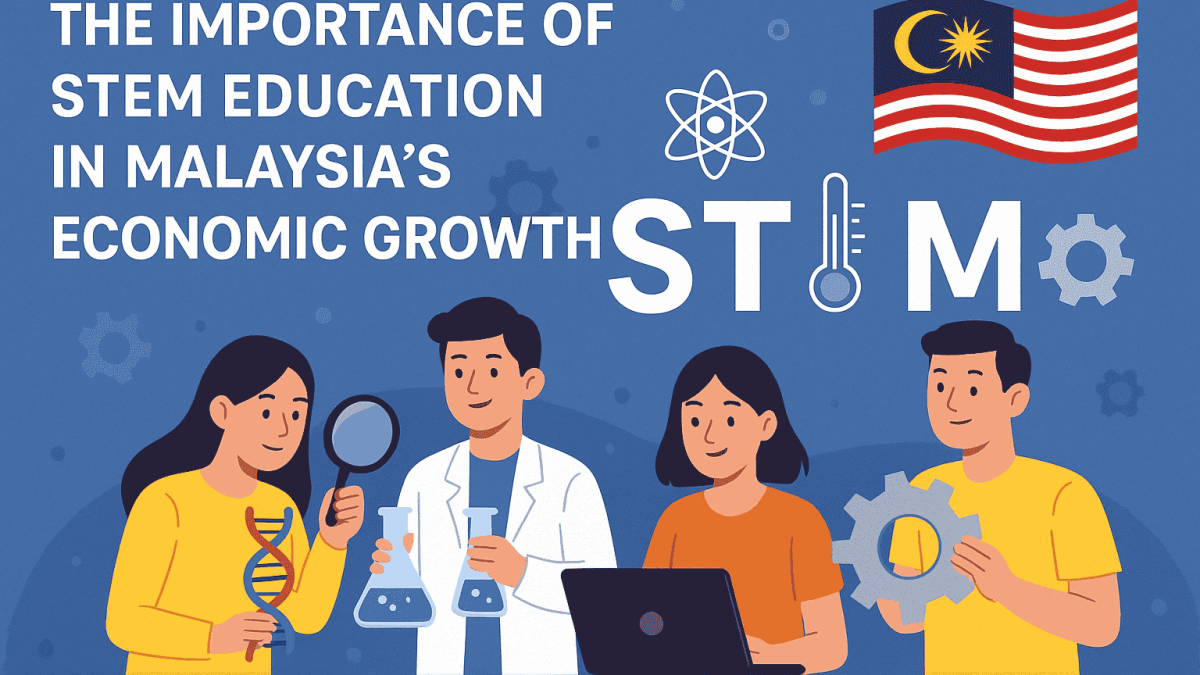
The Human Resource Development Corporation (HRDC) in Malaysia plays a pivotal role in enhancing the country’s workforce through various training programs. In today’s fast-paced and ever-evolving business environment, organizations must ensure their staff are equipped with the most relevant skills. HRDC training courses aim to do just that, helping both employers and employees meet the demands of modern industries.
Understanding HRDC
Established to promote the development of human capital, HRDC works closely with industries to create strategies since 1993. The vision is to enhance the skills of the Malaysian workforce, ensuring that they are competitive on a global scale. Through its initiatives, HRDC has become a cornerstone of professional development in Malaysia.
The Importance of Skills Development
As Malaysia positions itself in the global economy, skills development must be at the forefront of its labor market strategies. Gaps in skills can lead to decreased productivity, lower competitiveness, and ultimately, economic stagnation. HRDC training courses are crucial for several reasons:
- Addressing Skills Gaps: Training programmes are tailored to meet the specific needs of various sectors, ensuring employees possess the skills required by their employers.
- Enhancing Competitiveness: A skilled workforce is a competitive one. Companies that invest in developing their human capital are more likely to succeed in their respective markets.
- Adapting to Industry Trends: Continuous learning allows employees to keep up with technological advancements and industry changes.
- Improving Job Satisfaction: Employees who partake in training and development often feel more valued and satisfied with their jobs.
Types of HRDC Training Courses
HRDC offers a wide array of courses ranging from technical skills to soft skills development. This diversity caters to the various needs of different industries, supporting both individual upward mobility and corporate growth.
Technical Skills Training
These courses cover essential technical proficiencies required in sectors like information technology, engineering, and manufacturing. For example, training in coding, data analysis, and software development equips participants with in-demand skills that meet industry standards.
Soft Skills Training
In addition to technical skills, soft skills training is increasingly recognized as vital. Communication, leadership, teamwork, and problem-solving skills play a significant role in overall work performance. HRDC offers numerous workshops designed to enhance these essential soft skills that help individuals thrive in collaborative environments.
Funding and Financial Support
One of the significant advantages of HRDC training courses is the financial assistance provided. Companies can receive funding for employee training, significantly reducing the costs associated with upskilling their workforce. This initiative encourages organizations to invest in their employees, which leads to a smarter, more agile workforce.
Case Studies
Several Malaysian companies have successfully implemented HRDC training modules and seen considerable benefits:
- Case Study 1: An IT firm that adopted coding boot camps for its developers noticed a 30% increase in productivity within six months.
- Case Study 2: A manufacturing company that implemented leadership training reported a 25% decrease in workplace accidents due to better safety culture fostered through trained supervisors.
The Future of HRDC Training in Malaysia
The future looks promising for HRDC and its training programs. With the rise of the digital economy and the ongoing globalization of markets, the demand for a skilled workforce will continue to grow. HRDC is committed to evolving its training methodologies, incorporating advanced learning technologies like e-learning, simulation, and virtual training environments, ensuring that Malaysian workers remain competitive.
Conclusion
HRDC training courses are essential in bridging the skills gap in Malaysia’s workforce. By focusing on both technical and soft skills, these training programs empower individuals and organizations to adapt and thrive in an ever-changing business landscape. Investing in human capital is not just an option; it’s a necessity for building a competitive economy. To learn more about HRDC training courses and how they can help you or your organization, please visit here.
Frequently Asked Questions (FAQs)
What is HRDC?
HRDC stands for Human Resource Development Corporation, and it is the main body in Malaysia dedicated to enhancing the skills of the workforce through training and development initiatives.
Who can benefit from HRDC training courses?
HRDC training courses are designed for employees at all levels across various sectors, including technical and managerial roles, aiming to develop both soft and hard skills.
Are HRDC training courses funded?
Yes, many HRDC training programs offer funding options to businesses, significantly reducing the training costs and encouraging participation.
How can organizations enroll for HRDC courses?
Organizations can enroll in HRDC courses by visiting the HRDC website or contacting designated training providers for specific training needs.
What types of skills do HRDC training courses cover?
The courses cover a wide range of skills including technical skills like IT and engineering as well as soft skills such as communication, leadership, and teamwork.