STEM Agriculture: Shaping the Future of Food and Sustainability
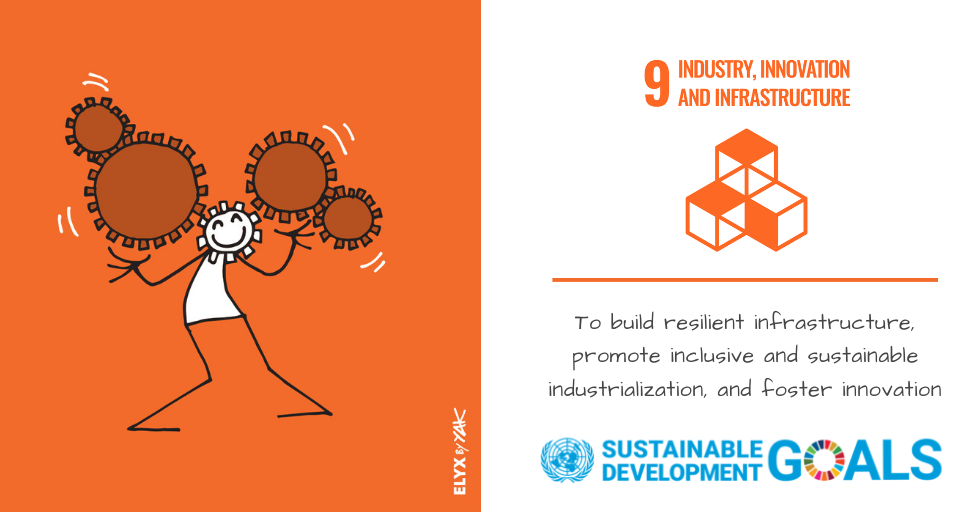
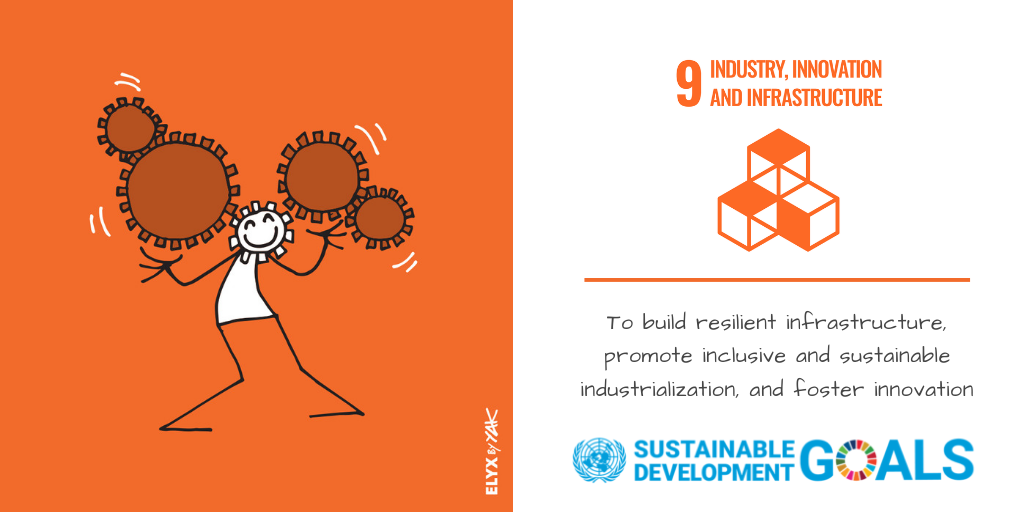
SDG 9 – Industry, Innovation & Infrastructure: The Role of STEM Education

1. Introduction to SDG 8 – Decent Work and Economic Growth
Sustainable Development Goal 8 (SDG 8) promotes sustained, inclusive, and sustainable economic growth, productive employment, and decent work for all. In a world reshaped by automation, AI, and the green transition, STEM (Science, Technology, Engineering, Mathematics) is the backbone of new industries, better jobs, and resilient livelihoods. For Than Institute, aligning with SDG 8 means designing STEM pathways that translate classroom learning into market-relevant capabilities—technical fluency, problem-solving, teamwork, and ethical decision-making—so graduates can secure decent work, power innovation, and even create jobs as founders. This connection between learning and livelihood strengthens families, communities, and Malaysia’s long-term competitiveness.
Key Points
- SDG 8 ties education to fair, productive employment and growth.
- STEM is central to digital, industrial, and green transitions.
- Than Institute builds market-ready, ethical, and adaptable talent.
2. The Core Targets of SDG 8
SDG 8’s twelve interlinked targets span productivity, innovation, resource efficiency, decent work standards, youth employment, and financial inclusion. They call for policies and programs that raise economic output per worker, foster entrepreneurship and formalization of businesses, ensure safe and secure working environments, and expand access to finance and technology—especially for youth and SMEs. Interpreted through a STEM lens, these targets encourage curricula that cultivate employability, industry collaboration, enterprise creation, and responsible innovation. At Than Institute, SDG 8 informs program design: hands-on learning, internship pipelines, startup challenges, and green-tech modules that connect skills to real market demand.
Key Points
- Boost productivity and innovation through relevant skills.
- Advance decent work: safety, fairness, and opportunity for all.
- Expand youth employment, entrepreneurship, and access to finance.
- Improve resource efficiency and support sustainable industries.
3. Why SDG 8 Matters for STEM Education
Economic growth today is knowledge-intensive and tech-enabled; nations win when their people can design systems, analyze data, automate processes, and scale sustainable solutions. STEM education provides these foundations, while SDG 8 ensures growth remains inclusive and decent. Without intentional alignment, education can drift from employer needs and youth can be left underemployed. By mapping programs to SDG 8, Than Institute ensures learners gain up-to-date tools, workplace habits, and pathways into quality roles—supporting both individual prosperity and broader national development.
Key Points
- STEM converts knowledge into productivity and innovation.
- SDG 8 keeps growth people-centered, inclusive, and decent.
- Alignment reduces skills mismatches and underemployment.
4. Key Benefits of SDG 8 in Advancing STEM Education
4.1 Building Future-Ready Skills for Employment
Employers prize adaptable problem-solvers who can code, analyze data, build prototypes, and communicate results. SDG 8 urges education systems to produce these capabilities at scale. Than Institute prioritizes core technical skills (coding, electronics, data), cross-cutting competencies (design thinking, collaboration), and professional literacies (ethics, safety, documentation) so graduates can contribute immediately and grow into higher-responsibility roles.
Key Points
- Job-ready skills: coding, robotics, data, and engineering design.
- Work habits: teamwork, communication, and project discipline.
- Ethics and safety integrated into labs and capstones.
4.2 Encouraging Entrepreneurship and Innovation
Growth also comes from new ventures. SDG 8 champions entrepreneurship as a driver of jobs and productivity. Than Institute infuses venture thinking into STEM: problem discovery, customer interviews, prototyping, pitching, and basic unit economics. Hackathons and startup studios turn ideas into pilots, while mentors and partner showcases help teams secure feedback, support, and early adopters.
Key Points
- Innovation methods: design thinking and rapid prototyping.
- Startup literacy: pitching, validation, and basic finance.
- Demo days connect learners to partners and opportunities.
4.3 Linking Education to Industry Needs
SDG 8 highlights the education–employment gap. Than Institute bridges it via industry co-designed briefs, internship tracks, guest engineers, and real datasets. Learners experience tools and workflows used on the job, receive feedback from practitioners, and graduate with portfolios that signal readiness to employers across manufacturing, fintech, healthtech, agritech, and energy.
Key Points
- Curricula co-developed with employers and domain experts.
- Internships and mentorships accelerate workplace readiness.
- Portfolio projects demonstrate applied competence.
4.4 Reducing Youth Unemployment Through STEM Pathways
Youth unemployment often stems from mismatched skills and limited networks. STEM pathways aligned to SDG 8 provide clear, supported routes into high-growth sectors. Than Institute uses career navigation (role maps, salary bands, skill ladders), interview prep, and employer days to convert learning into offers, apprenticeships, or freelance opportunities.
Key Points
- Transparent career maps and placement preparation.
- Exposure to hiring managers through employer showcases.
- Bridges to apprenticeships, internships, and junior roles.
4.5 Promoting Sustainable and Inclusive Economic Growth
Decent work must also be sustainable. Than Institute integrates energy efficiency, circular design, and responsible AI into lessons and projects, encouraging solutions that create value without externalizing costs to people or the planet. This equips graduates to contribute to green jobs and to embed sustainability inside mainstream roles.
Key Points
- Green-tech modules: renewables, efficiency, life-cycle thinking.
- Responsible tech: data ethics, safety, and accessibility.
- Inclusive design broadens product reach and social impact.
5. Than Institute’s Role in Supporting SDG 8 through STEM
Than Institute operationalizes SDG 8 through market-linked curricula, competency badges, capstones with real clients, and a talent bridge that connects graduates to SMEs, startups, and public-sector labs. Partnerships with industry bodies and NGOs expand access to equipment, mentors, and scholarships—ensuring that motivated learners, including those from underserved communities, can enter and progress in quality careers.
Key Points
- Capstones mapped to real briefs and measurable outcomes.
- Credentialing that signals job-ready competencies.
- Scholarships and outreach widen participation and mobility.
6. Real-World Impact: Case Studies & Examples
Student teams have turned community challenges into working prototypes—from IoT monitoring for small farms to basic analytics dashboards for local businesses—earning pilots, internships, and mentorship. Alumni portfolios featuring code repositories, CAD models, and deployment notes have helped secure roles at SMEs and research labs, demonstrating how aligned STEM learning converts into tangible SDG 8 outcomes.
Key Points
- Prototypes progressed into pilots with local partners.
- Internships and junior roles won via strong portfolios.
- Community-facing projects deliver visible economic value.
7. Challenges and Future Outlook
Rapid tech change, uneven access to equipment, and limited employer engagement in rural areas remain barriers. Than Institute’s roadmap emphasizes agile curriculum refresh cycles, mobile labs and hybrid delivery, a mentor marketplace spanning industries, and outcomes tracking (placements, promotions, startup survivorship) to guide continuous improvement and transparent reporting to partners and funders.
Key Points
- Keep curricula current with annual tech-roadmap updates.
- Invest in access: mobile labs, device lending, hybrid routes.
- Measure outcomes to steer resources where impact is highest.
8. Conclusion
SDG 8 turns STEM education into shared prosperity by aligning skills with real opportunity, elevating workplace standards, and unlocking entrepreneurship. By embedding these principles, Than Institute graduates a workforce that is employable, innovative, and responsible—ready to create value in Malaysia’s priority sectors and to build ventures that sustain inclusive, long-term growth.
Key Points
- STEM + SDG 8 = employability, innovation, and resilience.
- Partnerships and portfolios accelerate quality job outcomes.
- Sustainability and inclusion are growth multipliers.