SDG 9: Industry, Innovation and Infrastructure Explained

SDG 17: Partnerships for the Goals Explained
SDG 12: Responsible Consumption and Production Explained
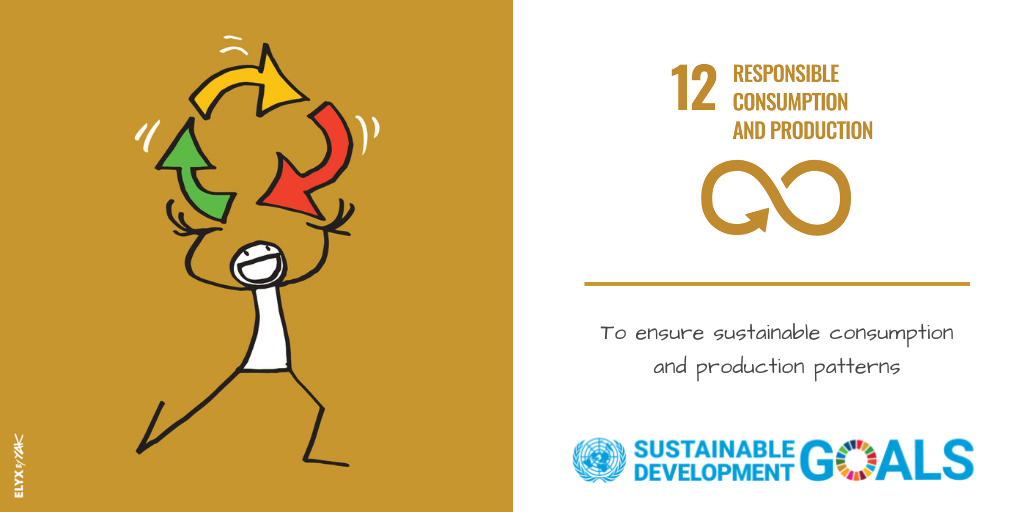
SDG 12 is the United Nations goal for responsible consumption and production. It encourages everyone, from families to factories, to use resources wisely, waste less and choose products that are good for people and the planet. It has 11 targets, from halving food waste to better recycling.
What Is SDG 12?
Sustainable Development Goal 12 is one of the 17 global goals set by the United Nations. Its aim is simple: make sure we produce and consume in ways that use fewer resources, create less waste and protect nature. In other words, we can enjoy good lives while taking care of the planet for the next generation.
Responsible consumption is about the choices we make as buyers and users, such as what we buy, how long we keep it and how we throw it away. Responsible production is about how products are made, from the materials used to the energy and packaging involved. When both sides improve, we save money, protect nature and create new green jobs.

The 11 Targets of SDG 12 in Plain English
SDG 12 has eight main targets plus three ways to put them into action. Here is what each one means, in simple words. You can read the official wording on the United Nations SDG 12 page.
| Target | What it means |
|---|---|
| 12.1 | Put plans in place for more sustainable ways of consuming and producing |
| 12.2 | Manage natural resources wisely and use them efficiently |
| 12.3 | Cut food waste in half at shops and homes, and reduce losses along the food supply chain |
| 12.4 | Handle chemicals and waste safely to protect air, water and soil |
| 12.5 | Produce less waste through prevention, reduction, recycling and reuse |
| 12.6 | Encourage companies to adopt sustainable practices and share their progress |
| 12.7 | Promote sustainable buying by governments and public bodies |
| 12.8 | Make sure everyone has the knowledge to live in harmony with nature |
| 12.a–12.c | Support science and technology, sustainable tourism tools and smarter energy subsidies |
Examples of Responsible Consumption and Production
SDG 12 is easier to see in everyday life. These examples show how each group can help.
SDG 12 Drawing and Poster Ideas
Many students look for SDG 12 drawing ideas for school projects and competitions. A strong poster shows one clear action and one clear message. Here are ideas to get you started.
- A recycling loop showing a bottle becoming a new product
- A family sorting waste into colour-coded bins at home
- A reusable bag, bottle and lunch box scene
- A food-sharing market where nothing goes to waste
- A city powered by solar panels and clean energy
- Before and after: a pile of waste turned into a garden
Add a short slogan such as “Use less, share more” and bright colours to make your poster stand out.
How STEM Education Supports SDG 12
STEM turns big goals into things learners can build and measure. When students use data, design and technology, responsible consumption stops being an idea and becomes a project they can see working.
At Than Institute, we link this hands-on approach to learning for children and working teams. See our Waste to Wealth STEM project, our STEM enrichment class in Petaling Jaya and the ThED Automate Program for building practical skills.
Green Skills and Jobs Linked to SDG 12
As businesses aim to waste less, demand grows for people who can measure and improve how things are made. Useful skills include energy auditing, life-cycle thinking, data tracking, eco-design and circular business models. Learners who practise these skills early are ready to help companies and communities make the shift to cleaner production.
What SDG 12 Looks Like in Everyday Life
SDG 12 is about using resources wisely, so there is enough for everyone today and tomorrow. It appears in everyday choices, such as buying only what you need, reducing food waste, reusing containers and choosing products made with care.
Businesses play a big part too. Smarter packaging, efficient production and better planning can reduce waste and save money at the same time. When companies and households both make small changes, the combined effect grows quickly.
SDG 12 is not about giving things up. It is about making thoughtful choices that keep resources useful for longer.
6 Easy Ways to Support SDG 12
SDG 12 and STEM: Learning to Reduce Waste
STEM turns SDG 12 into practical action. Learners can build a simple recycling sorter, measure how much power a device uses or test how long different materials last.
Data makes the lesson clear. When children see real numbers about waste or energy, they understand why small habits matter, and they feel proud when their own changes make a difference.
Explore how hands-on STEM supports sustainable habits in our Waste to Wealth STEM project, and see more programmes for learners on our programmes page.
Frequently Asked Questions About SDG 12
What is SDG 12?
SDG 12 is the United Nations goal for responsible consumption and production. It aims to help everyone use resources wisely, waste less and choose products and services that are kinder to people and the planet.
What are examples of responsible consumption and production?
Examples include planning meals to avoid food waste, repairing and reusing items, recycling properly, choosing products with less packaging, and companies that design products to last longer.
How can students support SDG 12?
Students can reduce waste at school, start a recycling or composting project, track energy use, and use STEM skills to design simple solutions that save resources.
How does STEM education support SDG 12?
STEM teaches learners to measure, design and test. They can use sensors, data and eco-design to cut waste and energy use, which turns SDG 12 into practical action.
What are some SDG 12 drawing ideas?
Popular ideas include a recycling loop, a family sorting waste at home, a reusable bag and bottle scene, a food-sharing market and a city powered by clean energy.
Ready to Learn Sustainability by Doing?
Explore Than Institute programmes that turn big goals like SDG 12 into hands-on skills.
View our programmes →