STEM Agriculture: Shaping the Future of Food and Sustainability
SDG 9: Industry, Innovation and Infrastructure Explained

Decent work and economic growth is SDG 8, the United Nations goal to promote steady, inclusive growth and good jobs for everyone. It means fair pay, safe workplaces and equal chances to learn, earn and build a business. It has 12 targets, from youth jobs to safer working conditions.
What Is Decent Work and Economic Growth?
Sustainable Development Goal 8 is one of the 17 global goals set by the United Nations. It brings two ideas together. Economic growth means an economy that keeps growing in a steady and healthy way. Decent work means jobs that pay fairly, keep people safe and respect their rights.
The aim is growth that everyone can share in. When people have good jobs, they can support their families, learn new skills and plan for the future. When businesses can grow, they create even more opportunities for the next generation.
The 12 Targets of SDG 8 in Plain English
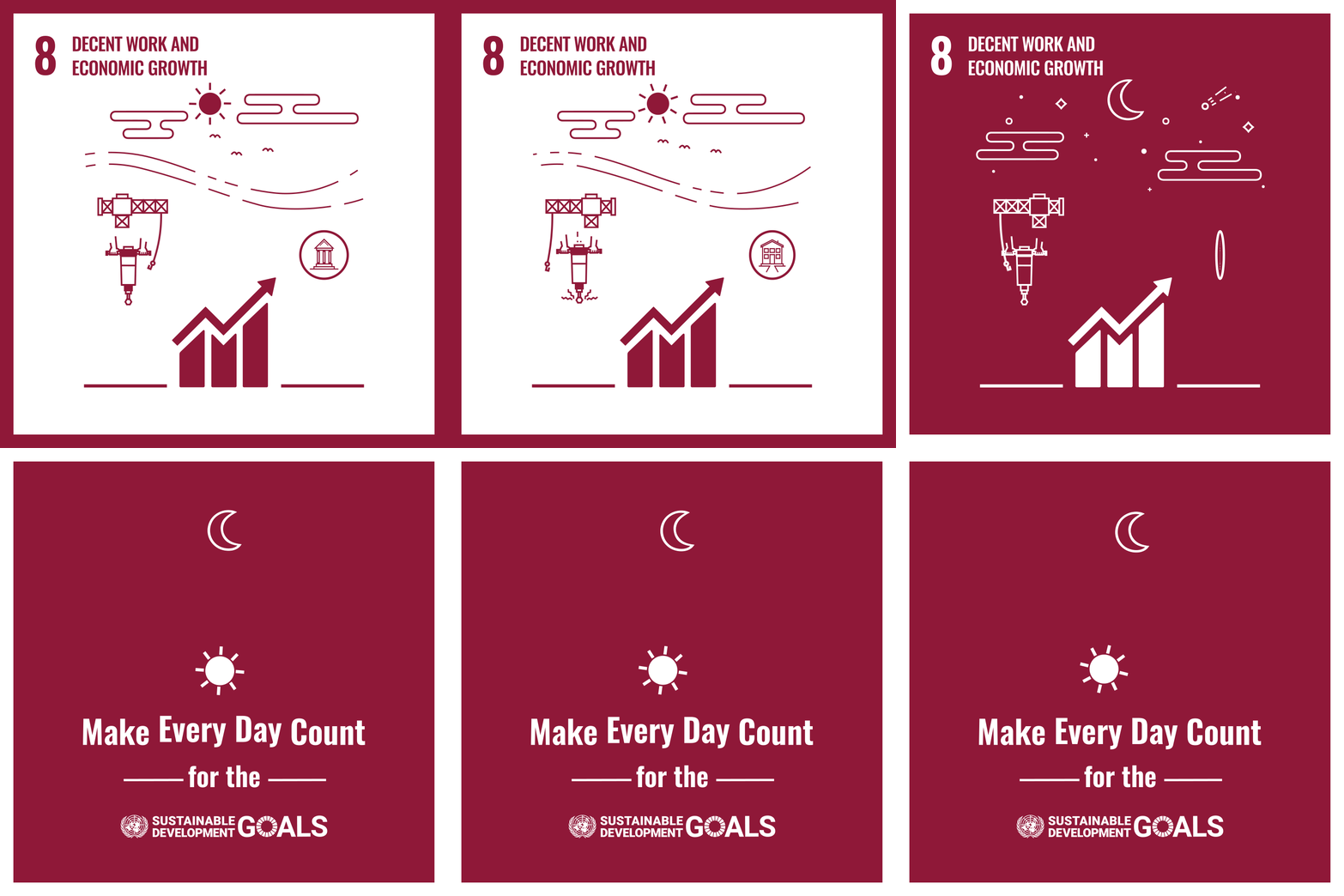
SDG 8 has ten main targets plus two ways to put them into action. You can read the official wording on the United Nations SDG 8 page.
| Target | What it means |
|---|---|
| 8.1 | Keep the economy growing steadily in a sustainable way |
| 8.2 | Raise productivity through new technology and innovation |
| 8.3 | Support job creation, entrepreneurs and small businesses |
| 8.4 | Use resources more efficiently as economies grow |
| 8.5 | Full and productive jobs with equal pay for work of equal value |
| 8.6 | Help more young people into jobs, education or training |
| 8.7 | End forced labour and child labour |
| 8.8 | Protect workers’ rights and keep workplaces safe |
| 8.9 | Promote sustainable tourism that creates jobs |
| 8.10 | Strengthen banks and financial services so more people can use them |
| 8.a–8.b | Support trade and put a global plan for youth employment in place |
Examples of Decent Work and Economic Growth
Here are real-life examples of how each group can help build good jobs and healthy growth.
Why Decent Work Matters
Good jobs do more than pay the bills. They build confidence, give people a sense of purpose and help families plan ahead. When workers are well trained and treated fairly, businesses also gain: teams stay longer, work better and bring more ideas.
In Malaysia, many companies are adopting digital tools, AI and automation. Training people alongside the technology means more workers can move into skilled, well-paid roles as industries grow.
How STEM Education Supports SDG 8
STEM skills are in demand across almost every industry. Learners who can work with data, technology and problem-solving are ready for the jobs of today and tomorrow.
At Than Institute, we help people build job-ready skills. Explore the ThED AI Program, the ThED Automate Program and the ThEd Econs program for young learners. Businesses can also see our warehouse automation robots.
Decent Work and Economic Growth in Everyday Life
Decent work and economic growth means jobs that are safe, fair and meaningful, in an economy that grows in a healthy way. It shows up when an employee feels respected, when a small business can hire and train people, and when young people see a path to a good career.
Good work is more than a salary. It includes safe conditions, fair treatment, chances to learn and a sense of purpose. When people have decent work, families feel more secure and communities grow stronger.
Economic growth works best when it includes everyone. That is why decent work and economic growth are linked in one goal: growth should create real opportunities for real people.
6 Habits That Build Decent Work and Economic Growth
Skills That Support Decent Work and Economic Growth
Skills are the bridge between education and good jobs. Digital skills, problem-solving, communication and teamwork help people move into new roles as industries change.
Businesses can support this by offering practical training, and learners can support it by staying curious. Short, hands-on programmes work well because people can use what they learn at work straight away.
Explore how our Than Institute programmes and the ThED AI Program build practical skills that support decent work and economic growth.
Frequently Asked Questions About SDG 8
What is decent work and economic growth?
It is SDG 8, the United Nations goal to promote steady, inclusive economic growth and good jobs for everyone, with fair pay, safe workplaces and equal opportunity.
What are examples of decent work and economic growth?
Examples include fair wages, safe workplaces, training for new skills, support for small businesses and entrepreneurs, and first jobs or internships for young people.
What are the targets of SDG 8?
SDG 8 has 12 targets covering steady growth, productivity and innovation, job creation, resource efficiency, full employment and equal pay, youth jobs and skills, labour rights, safe workplaces and sustainable tourism.
How can businesses support SDG 8?
Businesses can pay fairly, keep workplaces safe, train their teams, hire and grow young talent and adopt new technology with the right skills support.
How does STEM education support SDG 8?
STEM builds digital, technical and problem-solving skills that lead to good jobs, and helps people grow with new technology such as automation and AI.
Ready to Build Job-Ready Skills?
Explore Than Institute programmes that prepare learners and teams for good work.
View our programmes →