Preparing for Tomorrow: The Need for STEM Literacy in a Changing Job Market
SDG 5 – Gender Equality and Its Benefits Toward STEM Education at Than Institute
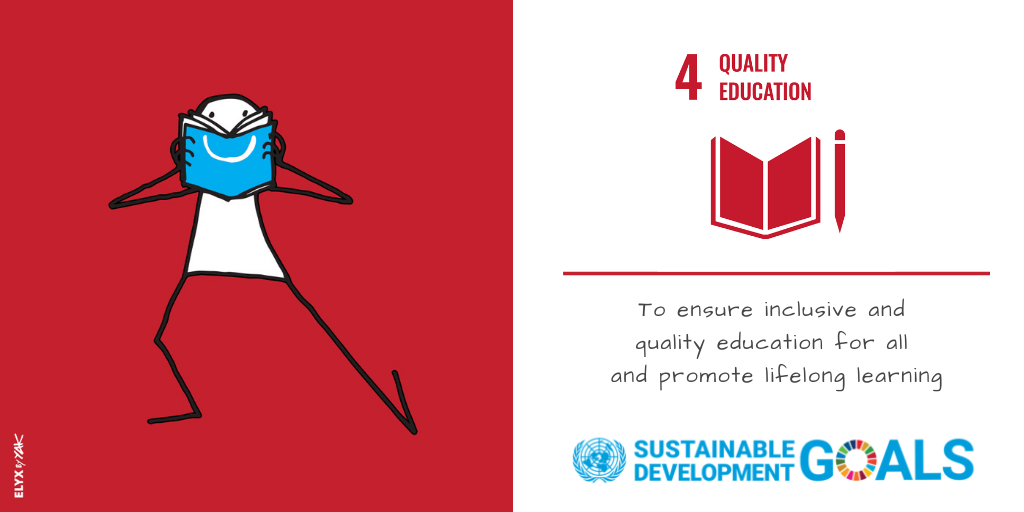
1. Introduction to SDG 4 – Quality Education
The United Nations Sustainable Development Goal 4 (SDG 4) seeks to ensure inclusive, equitable, and quality education for all while promoting lifelong learning opportunities. Education is the bedrock of sustainable growth; it equips learners with knowledge, practical skills, and values to address social, economic, and environmental challenges. For Than Institute, SDG 4 is more than a framework—it aligns with the institute’s mission to make STEM (Science, Technology, Engineering, Mathematics) education accessible, engaging, and industry-relevant. By integrating SDG 4 principles, Than Institute helps cultivate problem-solvers and innovators who can propel Malaysia and the wider region toward a resilient, technology-driven future.
Key Points
- SDG 4 commits to inclusive, equitable, and high-quality learning for all.
- Lifelong learning underpins sustainable development and workforce resilience.
- Than Institute operationalizes SDG 4 through accessible, future-ready STEM pathways.
2. The Core Targets of SDG 4
SDG 4 is articulated through ten interconnected targets that collectively raise both access and quality. These include universal, free, and quality primary and secondary education; affordable and equitable technical, vocational, and tertiary options; and measurable gains in relevant skills for decent work and entrepreneurship. The targets also prioritize eliminating gender disparities, safeguarding access for vulnerable learners, boosting literacy and numeracy, and ensuring safe, inclusive learning environments. For STEM, these targets form a blueprint that ensures programs are practical, equitable, and aligned with fast-evolving industry needs—guiding Than Institute in curriculum design, delivery models, and learner support.
Key Points
- Universal primary & secondary education of assured quality.
- Affordable TVET and tertiary pathways to broaden opportunity.
- Work-ready skills for employment, entrepreneurship, and innovation.
- Elimination of gender and access disparities across all levels.
- Safe, inclusive, and supportive learning environments.
3. Why SDG 4 Matters for STEM Education
STEM is a critical engine of national competitiveness, powering innovation across health, energy, manufacturing, agriculture, and digital services. SDG 4 elevates both access and relevance: it ensures that every learner—not only those in well-resourced schools—can engage with high-quality STEM instruction that mirrors real-world tools and problems. Without SDG 4’s inclusive and standards-based approach, many talented students—especially those from rural or underserved backgrounds—would remain excluded from growth sectors. Aligning with SDG 4 enables Than Institute to deliver inclusive, practice-rich programs that build analytical thinking, creativity, and adaptability for careers in AI, robotics, data, and green technologies.
Key Points
- STEM drives innovation, productivity, and societal problem-solving.
- SDG 4 ties equity to quality, so relevance isn’t reserved for the few.
- Than Institute designs inclusive programs mapped to emergent industries.
4. Key Benefits of SDG 4 in Advancing STEM Education
4.1 Equal Access to STEM Learning Opportunities
Access is the first gateway to STEM readiness. SDG 4 compels stakeholders to close gaps in infrastructure, affordability, and geographic reach so that learners can experience labs, devices, connectivity, and mentors. Than Institute responds with outreach models—mobile STEM labs, subsidized workshops, and hybrid delivery—that bring robotics, coding, and engineering design to communities that lack resources. This approach reduces the urban–rural divide, normalizes hands-on experimentation, and broadens the talent pipeline by ensuring that curiosity and aptitude—not postcode—determine opportunity.
Key Points
- Bridges infrastructure and affordability gaps in underserved areas.
- Deploys mobile labs, hybrid learning, and community-based workshops.
- Expands participation so potential isn’t limited by geography.
4.2 Quality Teacher Training and Resources
Great STEM learning depends on confident, current, and well-supported educators. SDG 4 underscores continuous professional development, contemporary curricula, and access to instructional technology. Than Institute equips teachers through specialist workshops, micro-credentials, and co-teaching with industry practitioners, ensuring pedagogy keeps pace with tools like microcontrollers, data platforms, and AI assistants. When teachers are empowered, classrooms shift from rote coverage to inquiry, design thinking, and prototyping—boosting student engagement and outcomes.
Key Points
- Regular PD ensures teachers stay current with fast-moving STEM fields.
- Updated curricula and toolkits enable inquiry and hands-on learning.
- Industry partnerships bring real-world briefs into the classroom.
4.3 Promoting Lifelong Learning Skills
Careers now span multiple technology waves; graduates must keep learning well beyond formal schooling. SDG 4’s lifelong learning pillar maps naturally to STEM’s ethos of iteration and discovery. Than Institute bakes in project-based learning, reflective journals, and self-directed pathways so students practice framing problems, sourcing data, testing prototypes, and communicating results. These habits—curiosity, resilience, metacognition—prepare learners to reskill into AI, renewable energy, or biotech as markets shift, sustaining employability and leadership over decades.
Key Points
- Builds adaptability, critical thinking, and learning-how-to-learn.
- Project-based work simulates authentic problem contexts.
- Supports upskilling across multiple career transitions.
4.4 Innovation-Driven Economic Growth
Nations that invest in high-quality STEM education realize productivity gains, IP creation, and new ventures. SDG 4’s focus on relevant skills and equitable access enlarges the pool of innovators who can advance AI applications, smart manufacturing, agritech, medtech, and clean energy. Than Institute’s exposure to coding, electronics, data literacy, and engineering design readies learners to found startups, strengthen SMEs, and contribute to research pipelines—supporting Malaysia’s transition to a knowledge-based, high-value economy.
Key Points
- STEM competencies translate into higher productivity and new industries.
- Broader access increases the number and diversity of innovators.
- Programs seed entrepreneurship and R&D-ready talent.
4.5 Encouraging Diversity in STEM Fields
Diversity is a performance multiplier: teams with varied backgrounds generate better solutions to complex problems. SDG 4 mandates equal participation and targeted support for learners historically excluded from STEM. Than Institute operationalizes this through scholarships, “Girls in Robotics” tracks, inclusive lab policies, and accessible materials for differently-abled students. The result is a richer learning culture that reflects society, improves design empathy, and expands leadership representation in future technical fields.
Key Points
- Targets gender, socio-economic, and ability-based participation gaps.
- Mentorship and scholarships unlock progression and retention.
- Diverse cohorts boost creativity, empathy, and solution quality.
5. Than Institute’s Role in Supporting SDG 4 through STEM
Than Institute converts SDG 4 from principle into practice via accessible pricing, modular programs for ages 9–17, and delivery models that meet learners where they are—after-school clubs, school partnerships, weekend bootcamps, and community pop-ups. The institute iterates curricula with industry input, integrates competitions and capstones, and tracks learner outcomes to guide improvement. Collaborations with schools, NGOs, and private sponsors amplify reach, ensuring that cost and distance do not block motivated students from high-quality STEM experiences.
Key Points
- Multi-channel delivery: clubs, camps, in-school, and hybrid options.
- Outcome-focused curricula tied to real-world briefs and capstones.
- Partnerships and subsidies extend access to underserved groups.
6. Real-World Impact: Case Studies & Examples
Impact emerges where SDG 4’s inclusivity meets STEM’s practicality. Mobile STEM labs have introduced microcontroller kits and beginner robotics to rural cohorts experiencing their first hands-on engineering tasks. “Girls in Robotics” tracks pair technical modules with mentorship to strengthen identity and retention. AI & Future Tech Clubs scaffold data literacy, model building, and ethical reasoning, culminating in community challenges (e.g., simple vision models for recycling). These initiatives demonstrate measurable gains in confidence, persistence, and post-program enrollment in advanced tracks.
Key Points
- Mobile labs unlock first-time, hands-on experiences in rural schools.
- Mentored pathways increase female participation and persistence.
- Clubs and challenges align learning with authentic community needs.
7. Challenges and Future Outlook
Barriers remain: bandwidth and equipment gaps, uneven teacher supply, and curricula that lag behind industry practice. Than Institute’s roadmap emphasizes three levers—partnerships to co-fund infrastructure, a teacher enablement stack (PD, toolkits, mentoring), and agile curricula that refresh annually against technology roadmaps. With consistent measurement and feedback loops, these levers can convert constraints into pilots that scale—expanding equity, quality, and relevance across the STEM pipeline.
Key Points
- Infrastructure and connectivity gaps limit lab-based experiences.
- Rural teacher shortages and PD needs persist.
- Agile curricula and co-funded partnerships are the path to scale.
8. Conclusion
SDG 4 provides a practical blueprint to democratize high-quality STEM learning and link it to long-term human development. By embedding SDG 4’s equity and quality standards into programs, Than Institute equips students with durable skills—analytical thinking, creativity, collaboration, and ethical judgment—so they can thrive across multiple technological waves. The result is a deeper talent pool, stronger communities, and a future-ready economy shaped by innovators drawn from every corner of society.
Key Points
- Equitable, quality STEM education fuels sustainable progress.
- Than Institute turns SDG 4 principles into measurable learner outcomes.
- Future-ready graduates strengthen Malaysia’s innovation ecosystem.