Which Warehouse Robot Fits Your Warehouse? A Simple 5-Step Guide
4 Warehouse Robot Use Cases: Rack, Roller, Tug and Pallet Handling
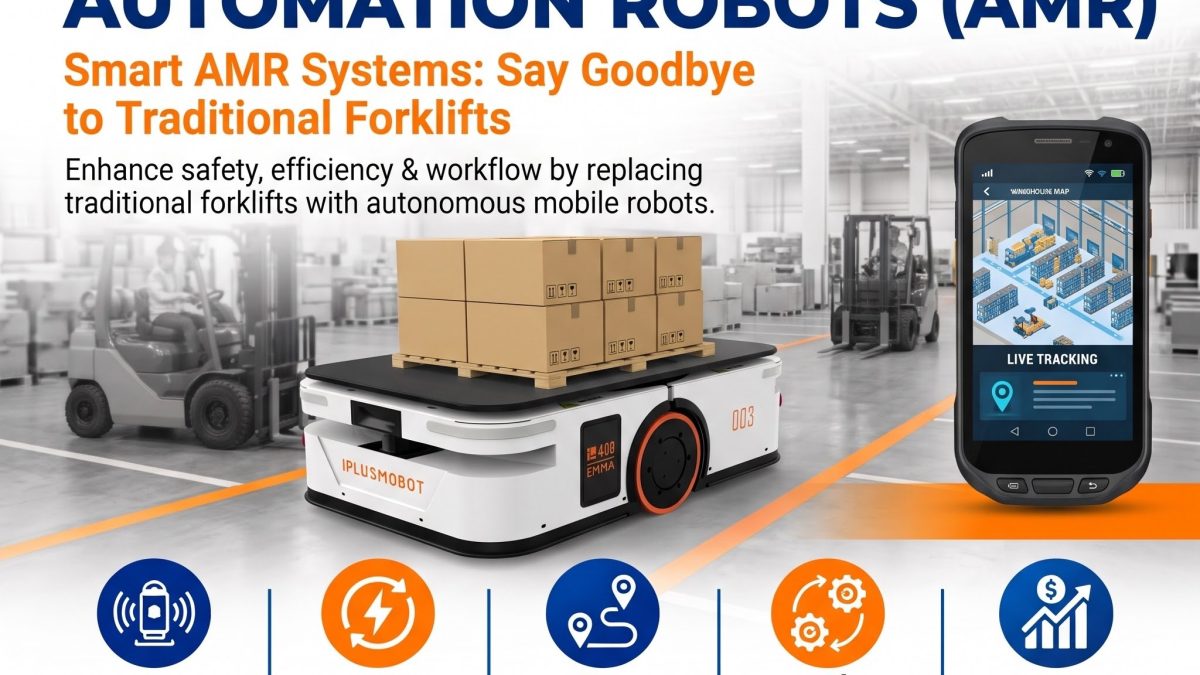
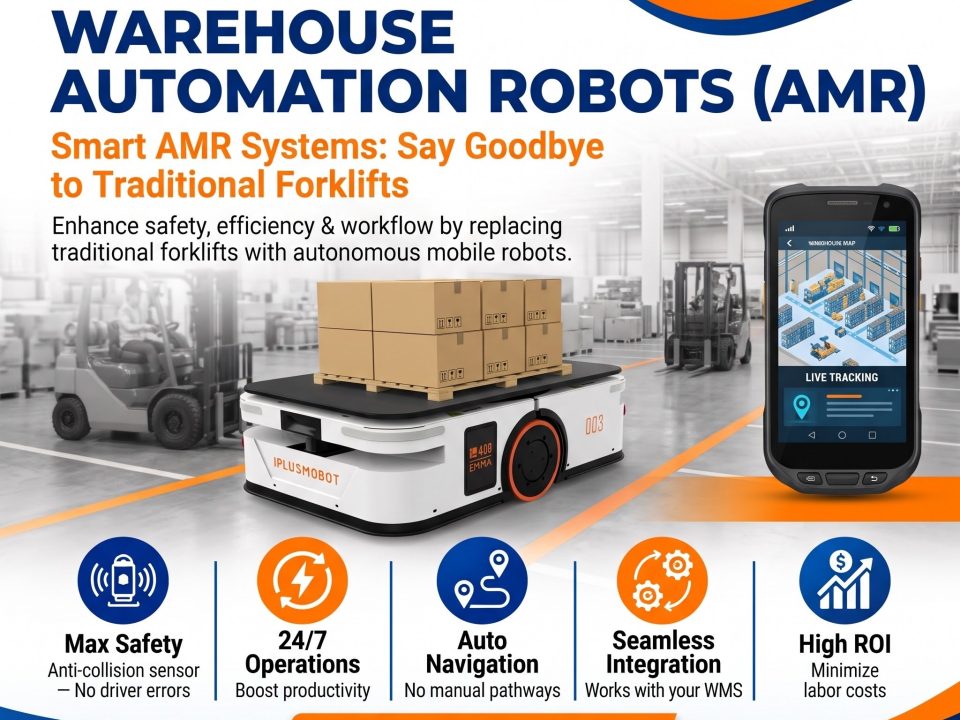
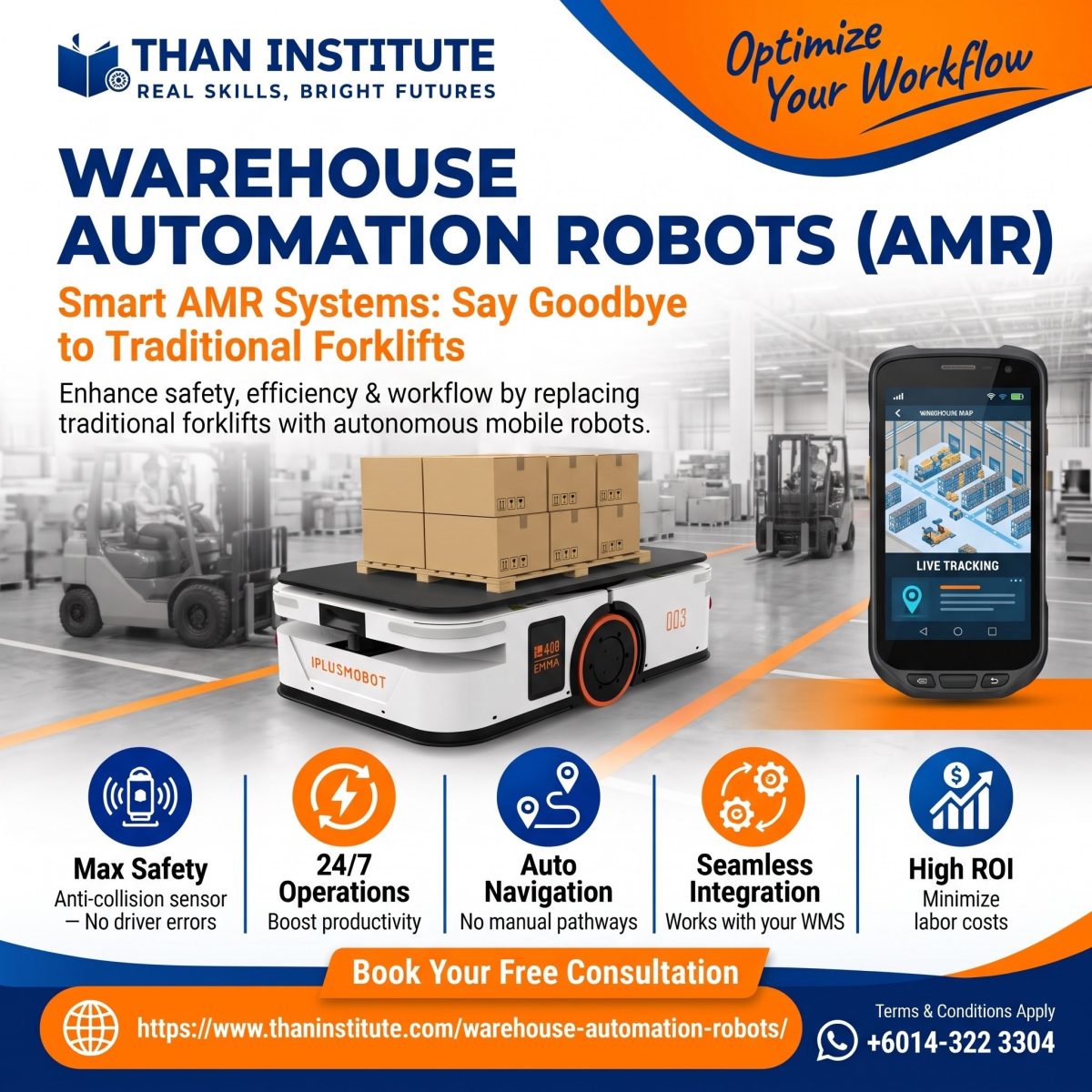
Warehouse automation robots (AMR) in Malaysia: replace traditional forklifts with autonomous mobile robots.
Is Your Warehouse Ready for Robots? 6 Easy Signs to Check
Your warehouse is ready for warehouse automation when people spend more time carrying than checking, orders grow faster than headcount, layouts change often, aisles feel crowded, handover errors repeat, or you run more than one shift. Two or three of these signs are enough to justify a one-robot pilot.
Why Many Malaysian Warehouses Are Looking at Automation
Warehouses across Malaysia are under steady pressure. Online orders keep growing, customers expect faster delivery, and hiring and keeping warehouse staff is not getting easier. Many teams respond by adding more people and more forklifts, but that approach hits a ceiling when floor space and supervision run out.
Automation does not have to mean a giant, expensive rebuild. A modern AMR autonomous mobile robot can move racks, trolleys and pallets without tracks or magnetic tape, so it can be introduced one route at a time. The real question is not whether automation is possible, but whether your warehouse is ready for it. These six signs will help you decide.
The 6 Signs You Are Ready
You do not need all six. If two or three sound familiar, a pilot is worth a serious look.
What You Notice and Where to Look First
Use this table to turn a daily frustration into a first automation target.
| Sign | What you notice | Where to look first |
|---|---|---|
| More carrying than checking | Staff walk long distances with trolleys | Rack or trolley transfer between two fixed points |
| Orders outgrow headcount | Overtime and late dispatch every peak | The busiest repeated route |
| Layout changes often | Fixed conveyors keep getting in the way | A flexible AMR route instead of fixed tracks |
| Crowded aisles | Near misses between forklifts and people | Moving short-haul transfers to robots |
| Handover errors | Wrong item at the wrong station | Scheduled point-to-point delivery |
| Multi-shift operation | Night shift struggles to keep pace | A robot with long runtime and quick charge |
How to Start With a Pilot
The safest way into warehouse automation is a small, measurable pilot. Choose one route that is repeated all day, such as moving racks from receiving to a storage zone. Start with one robot, run it for a few weeks, and compare the route against how it worked before.
- Pick one repeated route with a clear start and end point
- Measure today’s time, errors and walking distance
- Run one robot and keep staff involved from day one
- Review results, then add routes or robots in stages
Not sure which robot suits your loads? Read our guide on how to choose a warehouse robot before you shortlist.
People, Cost and Change: The Honest Concerns
Two worries come up in almost every conversation. The first is cost. Robots are an investment, so the right approach is to price a pilot, not a full rollout, and judge it against the time and errors you are paying for today. We will not promise a payback period, because every site is different. What we can say is that a small pilot lets you test the numbers on your own floor.
The second worry is people. Robots take over repetitive carrying, but they still need staff who understand the system, handle exceptions and keep the routes running. Teams that are trained feel less threatened and get more value from the robots. That is why Than Institute pairs automation with practical training such as the ThED Automate Program, so your own people can supervise and improve the system.
Finally, think about safety and coordination. Once you have more than one robot, routes, charging and traffic rules matter. Our guide to warehouse robot safety and fleet management explains what to plan before you scale.
Frequently Asked Questions
How do I know if my warehouse is ready for warehouse automation?
If staff spend a large share of their time carrying goods rather than checking them, orders are growing faster than headcount, or handover errors keep repeating, your warehouse is a good candidate for a pilot.
Do I need to rebuild my warehouse to use an AMR?
Usually not. An AMR autonomous mobile robot navigates with Laser SLAM and vision, so it does not need magnetic tape or tracks in the floor.
Will warehouse robots replace my workers?
Robots take over repetitive carrying so people can focus on checking, packing and problem solving. Training your team to supervise the system is part of a good rollout.
What is the best way to start?
Pick one repeated route, pilot a single robot there, measure the result, then expand zone by zone.
Can small and medium warehouses use automation?
Yes. Starting with one robot on one route is a common approach for small and medium warehouses.
Related Guides
Think Your Warehouse Is Ready?
Tell us about your routes, loads and shifts. We will help you plan a pilot that fits your site.
Talk to Than Institute →